

Understanding the intricacies of dental solutions is essential for maintaining oral health. A front teeth dental bridge is a popular choice for restoring lost teeth, ensuring both function and aesthetics. This guide will explore various aspects of using a dental bridge for front teeth. Discover effective solutions that can greatly enhance your smile and oral function.
What is a Front Teeth Dental Bridge?
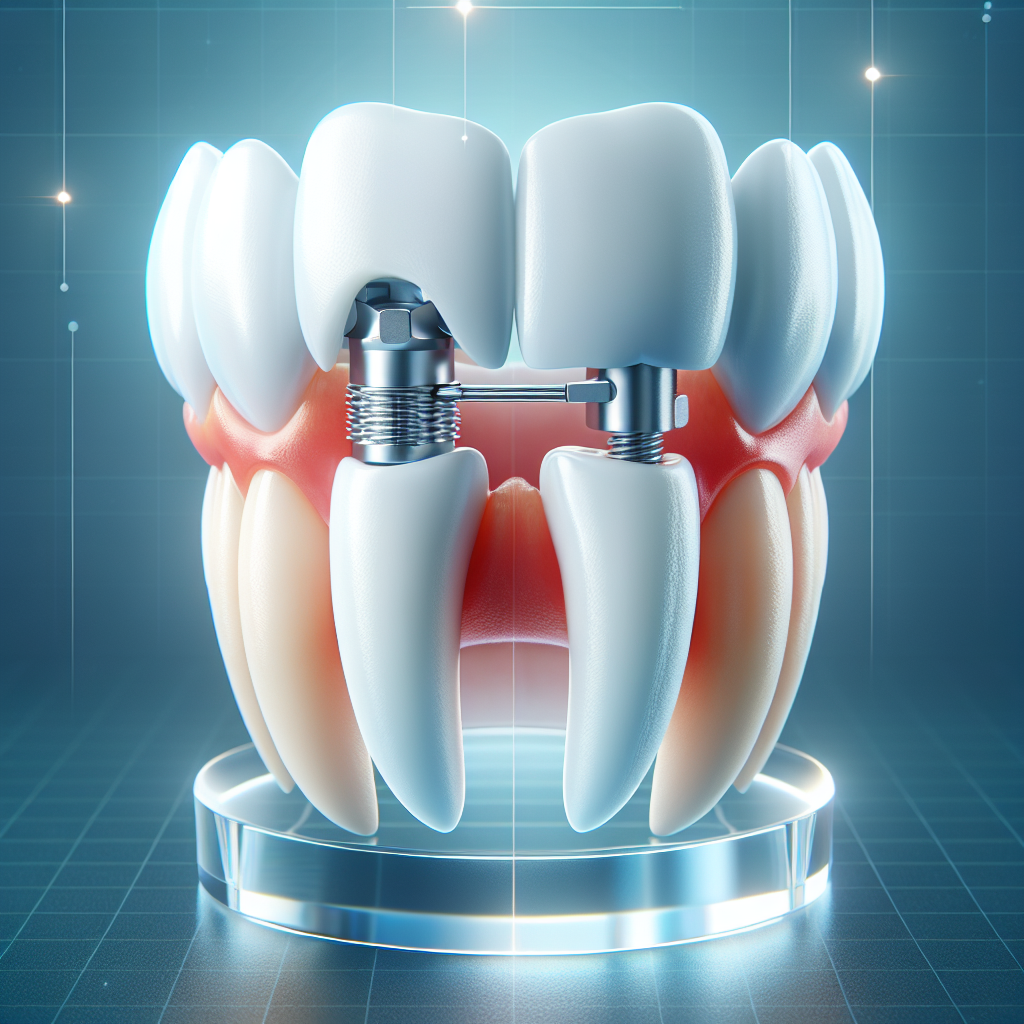
A front teeth dental bridge is a restorative dental device designed to replace one or more missing teeth in the front of the mouth. This type of bridge typically consists of two dental crowns placed on the teeth adjacent to the gap, with a false tooth or teeth anchored between them. By filling in these gaps, a front teeth dental bridge helps improve both the appearance and function of your smile.
In order to maintain proper dental alignment, a front teeth dental bridge is meticulously crafted to match the contour and color of your natural teeth. This ensures a seamless blend with existing teeth, enhancing overall aesthetic appeal. Patients can regain their confidence and improve their ability to chew comfortably with this restorative option.
The procedure for obtaining a front teeth dental bridge involves several dental visits, starting with consultations, X-rays, and tooth impressions. Most patients report high satisfaction levels due to the improvements in both functionality and cosmetic appeal, making it a prevalent choice for those seeking to restore their smiles.
Benefits of a Dental Bridge
Choosing a front teeth dental bridge comes with numerous benefits that positively impact oral health. One of the primary advantages is the restoration of bite functionality, allowing individuals to chew food properly without discomfort. This is crucial for maintaining a balanced diet and promoting overall nutrition.
Additionally, a dental bridge can help prevent the shifting of adjacent teeth, which can occur when there are gaps in the mouth. This shifting can lead to further dental complications, such as misalignment and additional tooth loss. By installing a front teeth dental bridge, patients can mitigate these risks effectively.
Moreover, many patients find that their confidence improves significantly after receiving a dental bridge. The aesthetic appeal of a well-crafted front teeth dental bridge enhances smiles, allowing individuals to feel more comfortable in social situations. This can lead to better emotional well-being over time.
Types of Dental Bridges Available
There are several types of dental bridges that patients can choose from, each designed to address different dental needs. The most common type is the traditional dental bridge, which uses two crowns placed on the adjacent teeth. This is particularly effective for front teeth restoration and offers a reliable solution.
Another option is the cantilever bridge, used when only one side of the gap has natural teeth. This type is less common for front teeth but can be applicable in specific situations where dental support is limited. Understanding the advantages and considerations of each type helps patients make informed decisions regarding their dental health.
Finally, implant-supported bridges provide another effective solution, using dental implants instead of crowns for support. While usually more costly and requiring surgery, this type of bridge can offer enhanced stability and longevity, appealing to those who prioritize long-term restoration options for their front teeth.
Cost and Insurance Coverage
The cost of a front teeth dental bridge can vary significantly based on factors such as material selection, location, and individual dental needs. In general, patients should expect to spend between $2,000 and $5,000 for this restorative procedure. High-quality materials may incur additional costs but are often more durable and aesthetically pleasing.
Insurance coverage for dental bridges varies by plan, making it essential for patients to check with their providers regarding benefits. Some plans partially cover the costs, while others may not cover them at all, particularly if the bridge is deemed cosmetic. This variance underscores the importance of understanding your insurance policy prior to undergoing any dental procedures.
It is advisable to discuss financing options with the dental office, as many offer payment plans to help manage out-of-pocket expenses. This financial assistance makes it possible for patients to prioritize their dental health without excessive burden.
Maintenance and Aftercare
Maintaining a front teeth dental bridge is critical for ensuring its longevity and effectiveness. Regular oral hygiene practices, such as brushing and flossing, should be followed diligently. Dental bridges require special attention, especially at the points where natural teeth and the bridge meet, to prevent plaque buildup and gum disease.
In addition to daily care, routine dental checkups are essential. Dentists can assess the condition of the dental bridge, as well as the surrounding teeth and gums. Periodic professional cleanings can also help extend the bridge’s lifespan and maintain oral health.
Furthermore, it is recommended to avoid hard foods or excessive force on the bridge to prevent damage. Patients should be mindful of their dietary choices to ensure the integrity of the dental restoration. With proper care, a front teeth dental bridge can function effectively for many years.
The Procedure Explained
The procedure for placing a front teeth dental bridge usually spans multiple visits to the dentist. Initially, the doctor performs a thorough examination and may take X-rays to assess the overall dental health. Following this, temporary solutions may be provided while the custom bridge is created.
During the second appointment, the dentist prepares the adjacent teeth by filing them down to create room for the crowns. This step is crucial for ensuring a good fit and proper alignment. An impression of the teeth is taken to design the custom dental bridge, which is typically made in a dental lab.
Finally, the last visit involves fitting the permanent bridge and making any necessary adjustments to ensure optimal comfort and functionality. Patients often see a remarkable transformation in their smiles, significantly improving their confidence and oral health immediately after the procedure.
Frequently Asked Questions about front teeth dental bridge
What is a front teeth dental bridge?
A front teeth dental bridge is a dental restoration that replaces missing front teeth with artificial ones anchored by crowns on adjacent teeth. This solution aims to restore both functionality and aesthetics for individuals with gaps in their smile.
How long does a front teeth dental bridge last?
The lifespan of a front teeth dental bridge typically ranges from 5 to 15 years, depending on factors like oral hygiene, material quality, and individual dental health. Regular dental checkups can contribute to longer-lasting results.
Are front teeth dental bridges covered by insurance?
Insurance coverage for front teeth dental bridges varies by plan. Some may cover part of the cost, while others might classify it as a cosmetic procedure. It’s advisable to consult your insurance provider for specific details.
How do I care for my front teeth dental bridge?
Caring for a front teeth dental bridge involves maintaining excellent oral hygiene, which includes brushing and flossing daily. Regular dental checkups will help ensure that both the bridge and adjacent teeth remain healthy.
Can I eat normally after getting a dental bridge?
After receiving a front teeth dental bridge, most patients can return to normal eating habits, though it’s wise to avoid hard or sticky foods initially. This approach helps in adjusting and ensuring the bridge remains intact.
What materials are used for a front teeth dental bridge?
Common materials for front teeth dental bridges include porcelain, ceramic, and metal alloys. Porcelain and ceramic often match the color of natural teeth, providing superior aesthetic appeal, especially in visible areas.
What is the recovery time for a front teeth dental bridge?
Recovery time after a front teeth dental bridge placement varies, but many patients feel comfortable in a few days. Slight sensitivity or discomfort is common initially and usually resolves with proper care.
Where can I get more information about dental bridges?
For further information on dental bridges, numerous resources are available online, as well as consulting with a trusted dentist can provide tailored guidance based on individual needs.
How does a dental bridge affect speech?
Patients may experience a temporary adjustment period regarding speech after getting a front teeth dental bridge. However, most find that their speech normalizes within a few days as they adapt to the restoration.
What is the success rate of dental bridges?
The success rate of front teeth dental bridges is generally high, estimated at over 90%. Factors such as proper care and maintenance play a significant role in ensuring long-term success.
Understanding Dental Health Concepts
To further enhance your comprehension of dental restoration options, exploring dental prostheses can provide valuable insights into how these treatments evolve. It’s essential to stay informed about advancements and options available in modern dentistry.
In summary, a front teeth dental bridge is not just a cosmetic improvement but a vital component for maintaining overall dental health. With the right care, this restoration can significantly improve quality of life and functionality.