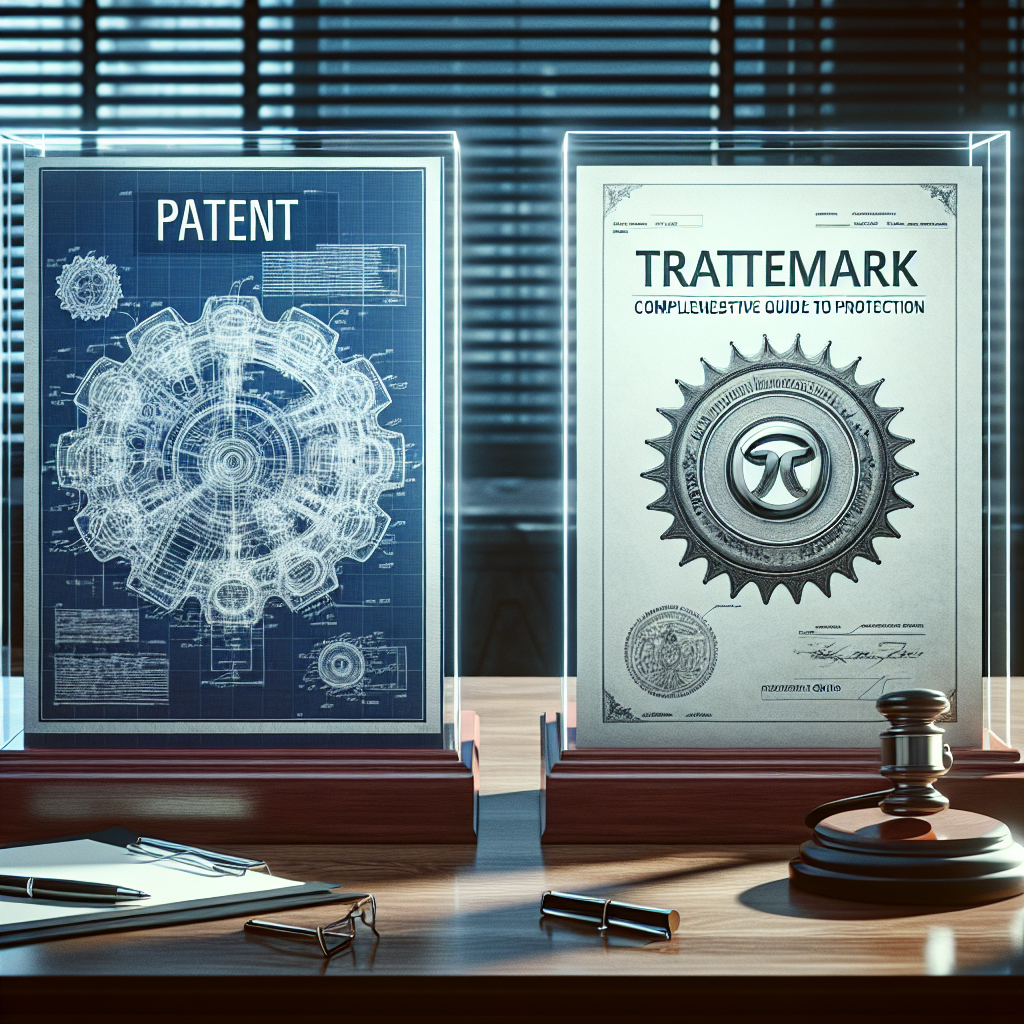

Understanding the differences between patents and trademarks is vital for individuals and businesses seeking intellectual property protection. This comprehensive guide on patent vs trademark will clarify these two forms of legal protection. By exploring their unique features, you’ll learn how to safeguard your inventions and brand identity effectively. Navigating the complexities of intellectual property can be challenging; this guide aims to simplify the process.
Defining Patent and Trademark
A patent is a legal exclusive right granted for an invention, allowing the owner to exclude others from making, using, or selling the invention without permission. In contrast, a trademark protects symbols, names, and slogans used to identify goods or services, distinguishing them from competitors. The differences become particularly important when considering the rights and protections provided under patent vs trademark law.
Patents come in various types, including utility, design, and plant patents, each covering distinct aspects of invention. Trademarks, however, can take varied forms such as logos, brand names, and even colors associated with specific goods. Understanding these definitions helps clarify the unique protections afforded by both legal mechanisms in the landscape of intellectual property.
Understanding the nuances of patent vs trademark is essential for entrepreneurs aiming to secure their innovations. Making informed decisions about which type of protection to seek is crucial for long-term business success. Proper classification can yield significant advantages, enabling creators to focus on value creation while effectively managing their intellectual property.
Importance of Intellectual Property
Intellectual property plays a crucial role in fostering innovation and entrepreneurship. It provides legal protection that encourages creators to invest time and resources into developing new ideas. By protecting inventions and brands through mechanisms like patent vs trademark, businesses can not only safeguard their creations but also enhance their market presence.
For start-ups and established companies alike, understanding intellectual property laws contributes to strategic planning. Whether it’s filing a patent for a groundbreaking invention or securing a trademark for a brand, the right protection can lead to competitive advantages in the marketplace. It’s essential for companies to develop strong IP strategies, as they are vital for sustainable growth.
The landscape of intellectual property is continuously evolving, which makes it even more crucial for entities to stay informed about their rights. This awareness not only safeguards individual innovations but also fosters a culture of competition and quality in various industries. Ultimately, effective protection leads to enhanced consumer trust and brand loyalty.
When to Use Patents
Patents are particularly suitable for new inventions, processes, or designs that are novel and non-obvious. If your work involves creating something that has never been made before or significantly improves existing technology, a patent could be your best option. This is essential knowledge when considering patent vs trademark, as the applicability of each depends on the nature of your intellectual asset.
Obtaining a patent can be a lengthy and complex process, often requiring extensive documentation and proof of the invention’s originality. However, the potential returns justify the effort, as patents offer a monopoly for a fixed period, usually 20 years for utility patents. This exclusivity can result in lucrative opportunities in licensing and revenue generation.
It’s crucial for inventors to conduct thorough patent searches before filing, as existing patents can impede your ability to secure a new one. Engaging with a patent attorney for this process can provide valuable insights into navigating the complexities. Understanding the intricacies of patent vs trademark helps creators choose the right protection for their innovations.
When to Use Trademarks
Trademarks are essential for protecting brand identity, including names, logos, and slogans that consumers associate with particular goods or services. Securing a trademark can prevent unauthorized use of your branding, helping to maintain your company’s reputation in the marketplace. This distinction is significant in the context of patent vs trademark, as both serve different purposes in protecting intellectual property.
Establishing a trademark can be a proactive step in brand strategy. By actively defending your trademark rights, you reinforce the quality and reliability of your goods or services in consumers’ minds. Moreover, established trademarks can become valuable assets, contributing to overall brand equity and market value.
As businesses expand, their trademark protection should be revisited to encompass new products or services introduced to the market. Regular monitoring for infringement also becomes necessary to ensure that brand integrity is maintained. Successful brand strategies include both trademark registration and consistent engagement with your audience to reinforce brand association.
Key Differences Between Patent and Trademark
The key differences between patents and trademarks are foundational to understanding their use in protecting intellectual property. Patents focus on inventions, while trademarks are more concerned with brand identity. When examining patent vs trademark, the timelines and requirements for each also differ significantly.
Patents generally require a thorough examination process that can take months or even years to complete, while trademarks can often be registered more rapidly, depending on the jurisdiction. Additionally, the duration of protection varies; patents usually last for around 20 years, whereas trademarks can remain valid indefinitely, as long as they are in use and renewed.
Understanding these differences is crucial for any inventor or business owner. The appropriate choice between patent vs trademark can greatly influence the strategy and success of a product or brand in the competitive marketplace. Making informed decisions ensures that strategies align with long-term goals in the realm of intellectual property.
Application Process for Patents and Trademarks
The application process for patents is often intricate, requiring detailed documentation, drawings, and claims that define the boundaries of the invention. Prospective patent holders usually need to conduct extensive prior art searches to ensure their invention is genuinely unique. This thorough examination is a vital step when comparing patent vs trademark application processes.
On the other hand, filing a trademark application is typically more straightforward but still requires an understanding of proper classifications and potential conflicts. Trademarks generally require proof of use in commerce and can sometimes involve opposition from existing trademark holders. It’s crucial to approach both applications with diligence to secure your intellectual property successfully.
Investing in legal assistance can significantly streamline the process, as patent and trademark attorneys can provide guidance tailored to individual needs. With the right support, applications can be filed correctly, increasing the chances of success. Understanding the nuances of application processes further empowers creators and businesses in managing their intellectual property effectively.
Frequently Asked Questions about patent vs trademark
What is the main difference between patent vs trademark?
The main difference lies in what they protect; patents cover inventions, while trademarks protect brands and symbols associated with goods or services. This distinction is key for businesses seeking to safeguard their creations and identity.
How long does a patent last compared to a trademark?
Patents generally last for about 20 years from the filing date, whereas trademarks can potentially last indefinitely, provided they are renewed and remain in use. Understanding these timelines is crucial for effective long-term strategy.
Can a product be patented and trademarked?
Yes, a product can possess both a patent and a trademark. While the patent protects the invention itself, the trademark shields the branding associated with it, providing comprehensive intellectual property protection.
How do you know if you need a patent or trademark?
Determining whether you need a patent or trademark depends on the type of intellectual property you possess. If you have a novel invention, a patent is appropriate; if you need to protect brand identity, a trademark is necessary.
Is the application process different for patent vs trademark?
Yes, the application processes for patents and trademarks differ significantly. Patent applications require detailed documentation and examination, while trademark applications are typically more straightforward and often involve proof of use.
What are the costs associated with patents and trademarks?
Costs can vary widely for both patents and trademarks. Patent applications often involve significant fees due to their complexity, while trademark fees are generally lower but can escalate depending on the number of classes filed.
Where can I learn more about intellectual property?
To learn more about intellectual property, consider exploring resources available online. Websites dedicated to intellectual property often provide insightful articles, guides, and more to help you navigate the legal landscape.
Understanding the Legal Framework
The legal framework surrounding patents and trademarks can be complex, involving national laws and international agreements. Various treaties, like the Patent Cooperation Treaty (PCT), facilitate patent protection across multiple jurisdictions. Similarly, international treaties protect trademarks, which makes it essential for businesses to consider global implications.
It’s advisable to consult with legal experts who specialize in these fields as they can provide astute guidance tailored to specific needs. Proper legal advice ensures compliance and effective strategies, maximizing the benefits of both patent vs trademark protection.
The Role of Enforcement in Protection
Enforcement is a critical element in maintaining the integrity of patent and trademark rights. Without proactive monitoring and action against infringement, the effectiveness of these protections can erode. Companies must develop robust enforcement strategies to ensure that their rights are upheld in the marketplace.
Engaging legal representation for enforcement actions can be beneficial. They can help navigate the complexities of both patent vs trademark enforcement actions, ensuring that businesses are not only protected but also ready to act against potential infringements.
Trends in Intellectual Property Protection
Recent trends indicate a growing emphasis on the importance of intellectual property in business strategies, particularly with advances in technology. As new inventions and brands emerge, the need for effective patent vs trademark strategies becomes evident. Companies are increasingly focusing on integrating IP into their core business models.
New technologies, including blockchain and AI, are influencing how IP is protected and enforced. These trends are reshaping traditional approaches, making it vital for businesses to stay updated on developments that can affect their IP rights. Adapting to these changes helps entities remain competitive and secure.
For more information about patents, trademarks, and their implications, you may explore intellectual property laws and concepts. Understanding the foundations will enhance your ability to protect your creative endeavors effectively.
In summary, navigating the landscape of patent vs trademark requires a deep understanding of their distinct roles in protecting intellectual property. By leveraging the appropriate protections, businesses and inventors can secure their innovations and brand identities for sustained success.