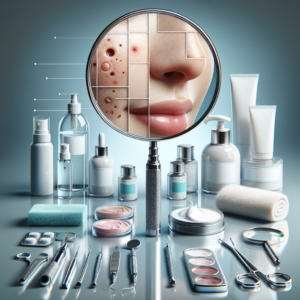
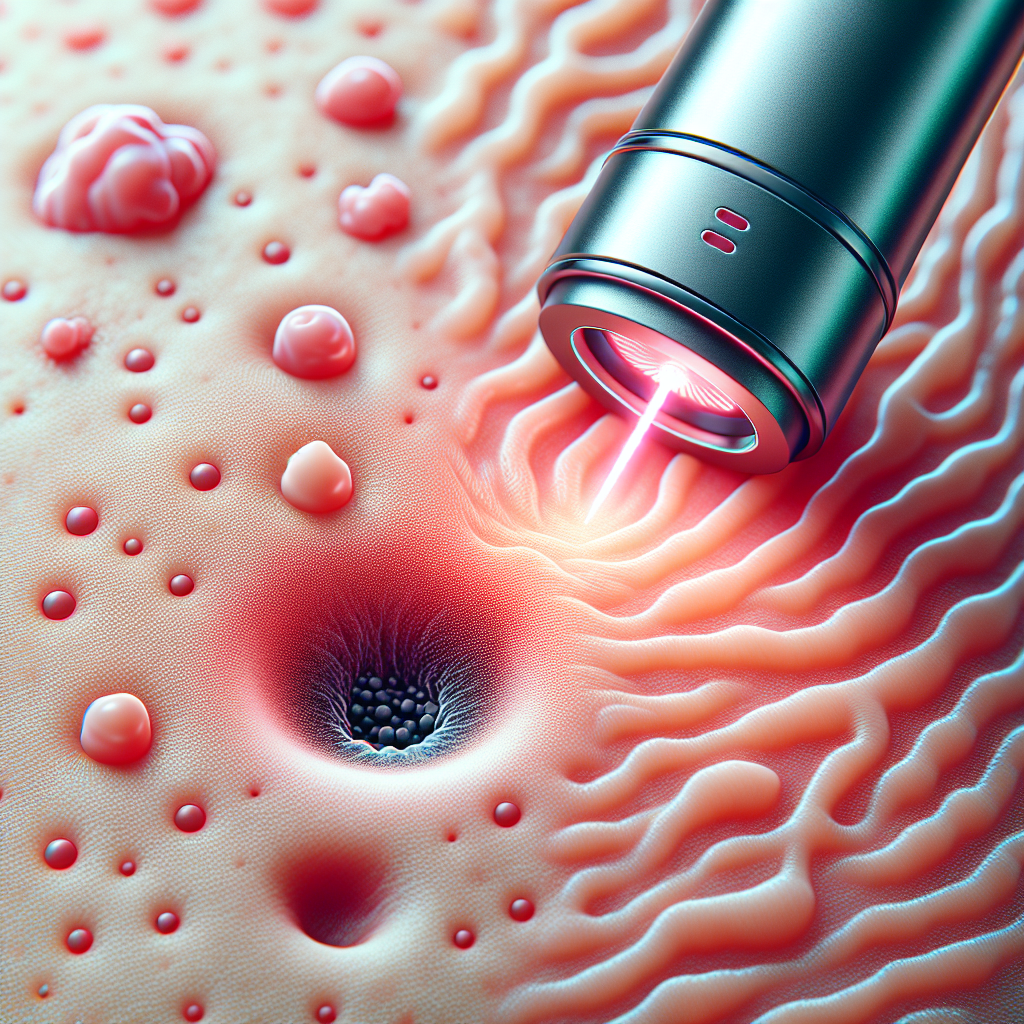

Laser mole removal is an innovative method for individuals looking to achieve smoother skin. With advancements in dermatology, this procedure has gained popularity for its efficiency and minimal recovery time. Whether you have raised or flat moles, laser mole removal can provide a safe and effective solution. Discover how this treatment can enhance your appearance.
Understanding Laser Mole Removal
Laser mole removal involves using concentrated beams of light to target specific moles on the skin. The heat from the laser helps break down the mole tissue, allowing for its gradual removal without surgery. This method significantly reduces the risk of scarring compared to traditional excision. Many patients find this non-invasive approach preferable, as it leads to quicker recovery and less discomfort.
During a consultation, the dermatologist evaluates the moles and determines the appropriate laser type for treatment. Different lasers can be used depending on the mole’s size and depth, enhancing the effectiveness of the procedure. As a result, laser mole removal is suitable for various skin types and conditions.
The treatment is typically performed in an outpatient setting. After the procedure, patients can expect some redness and swelling, which usually subsides within a few days. Proper aftercare is essential for ensuring optimal healing and reducing the risk of complications.
Benefits of Choosing Laser Treatment
One of the key advantages of laser mole removal is its precision. Lasers can specifically target mole cells without damaging surrounding skin, which helps maintain the skin’s integrity. Additionally, many patients report minimal pain during the procedure, thanks to the advanced technology in laser systems.
This method also allows for less downtime. Unlike surgical removal, which may require stitches and prolonged healing, laser mole removal typically enables patients to resume normal activities shortly after treatment. This convenience is particularly appealing for individuals with busy lifestyles.
Another notable benefit includes the reduced risk of complications. With laser treatments, there is a lower chance of infection or significant scarring. As dermatology continues to evolve, innovations in laser techniques will likely enhance outcomes even further.
Post-Treatment Care Essentials
Post-treatment care is vital for ensuring successful healing after laser mole removal. Dermatologists usually recommend keeping the treated area clean and protected from sun exposure for at least several weeks. Sunscreen is a must to prevent discoloration and promote even healing.
Patients may experience mild discomfort, such as itching or swelling; using prescribed ointments can help alleviate these symptoms. It’s also crucial to avoid picking or scratching the treated areas to minimize the risk of scarring or infection.
Regular follow-up appointments with the dermatologist can help monitor the healing process. They will assess the treatment area to ensure proper recovery and address any concerns. Following these guidelines can greatly enhance the results of the laser mole removal procedure.
Differences from Traditional Methods
Comparing laser mole removal to traditional methods highlights several advantages. Traditional excision typically requires sutures and longer recovery times; laser treatments provide a quicker, more comfortable experience. Additionally, the precision of lasers allows for targeted treatment without affecting surrounding tissues.
While both methods are effective, those prone to scarring may prefer lasers due to their lower risk profile. Patients often appreciate the reduced visible marks left behind, as laser techniques minimize trauma to the skin. Overall, the choice between methods largely depends on patient preference and specific dermatological advice.
Although traditional methods may still be necessary for larger or deeply-rooted moles, discussing all available options with a dermatologist can help patients make informed decisions. Each individual’s skin type and mole characteristics should guide the choice of treatment.
Who Are Ideal Candidates?
Ideal candidates for laser mole removal typically include individuals seeking cosmetic enhancements without invasive surgery. People with benign moles that are raised or cause discomfort are commonly recommended for the procedure. It’s essential to have an initial consultation to determine suitability.
Moreover, those who have a history of skin sensitivities may benefit from this method. Because laser mole removal is less invasive, it generally poses fewer risks in terms of allergic reactions or complications. Patients should discuss their complete medical history with their dermatologist before proceeding.
Patients should also consider their commitment to post-treatment care. Following the recommended guidelines can significantly influence the success of the laser mole removal process. Clear communication with your healthcare provider is key to customizing your treatment plan effectively.
Cost of Laser Mole Removal
The cost of laser mole removal can vary widely based on factors such as the geographic location, the size of the mole, and the complexity of the procedure. On average, expenses can range from a few hundred to over a thousand dollars. Insurance may cover some treatments, particularly if the mole is deemed medically necessary.
It is advisable to consult with dermatology clinics to understand potential costs. Many facilities offer financing options or payment plans to help make the procedure more accessible. Patients should inquire directly about pricing during their initial consultation to avoid surprises.
Ultimately, consumers should weigh the cost against the benefits of improved skin appearance. Investing in a professional treatment can lead to long-lasting results, highlighting the importance of choosing a qualified provider for safe laser mole removal.
Frequently Asked Questions about laser mole removal
What is laser mole removal?
Laser mole removal is a procedure that uses concentrated light beams to safely remove moles from the skin. This method is preferred for its precision and minimal recovery time compared to traditional surgical options. Patients often experience less discomfort during and after the procedure.
Is laser mole removal safe for all skin types?
Yes, laser mole removal is generally safe for various skin types. However, it’s essential to have a proper consultation to assess individual skin conditions and other factors influencing treatment. Dermatologists can provide tailored recommendations for optimal outcomes.
How long does the procedure take?
The duration of laser mole removal varies depending on the size and number of moles being treated. Typically, procedures can be completed within 30 minutes to an hour. This quick turnaround makes the treatment appealing for those with busy schedules.
What should I expect after laser mole removal?
Post-treatment, patients may experience temporary redness and swelling. Following aftercare instructions is crucial for proper healing. Many individuals can return to daily activities shortly after the treatment without significant downtime.
How many sessions will I need?
The number of laser mole removal sessions needed can vary based on the size and depth of the mole. In most cases, one session is sufficient, but some patients may require follow-up treatments for complete removal. Discussing your specific situation with your dermatologist will provide clarity.
Can I remove moles at home?
At-home mole removal is not recommended, as it can lead to complications like scarring or infection. Procedures like laser mole removal should always be performed by qualified professionals to ensure safety and efficacy. Consulting a dermatologist is the best approach to consider your options.
Where can I find more information about laser treatments?
For additional resources on laser treatments, you can visit comprehensive skincare information. This site offers insights into various dermatological procedures, including laser mole removal.
Preparing for Your Consultation
Preparing for a consultation regarding laser mole removal is essential for a successful outcome. Begin by compiling a list of any moles you are concerned about, including their size and characteristics. Taking photographs can also help your dermatologist assess the situation effectively.
Additionally, informing the dermatologist of any medications or supplements you take is crucial, as these can impact the treatment process. Be ready to discuss your skincare routine and any previous skin treatments, which will assist your provider in creating a tailored plan for your laser mole removal.
Understanding Treatment Risks
While laser mole removal is generally safe, like any procedure, it carries risks. Possible side effects include temporary redness, swelling, and changes in skin pigmentation. It’s crucial to weigh these risks against the benefits of treatment during your consultation.
A qualified dermatologist will explain the potential complications and how to mitigate them effectively. Understanding these aspects will help you feel more informed and confident as you prepare for your laser mole removal journey.
Long-term Skin Care after Treatment
Long-term skin care following laser mole removal is vital for maintaining healthy skin and achieving desired results. Adhering to a sun protection regimen is essential to prevent pigmentation changes or damage. Daily use of a broad-spectrum sunscreen can significantly benefit the treated area.
Incorporating a gentle skincare routine tailored to your skin type can enhance overall healing. It may also be beneficial to avoid harsh products immediately after treatment. Consulting your dermatologist about long-term care strategies will help maximize your laser mole removal results.